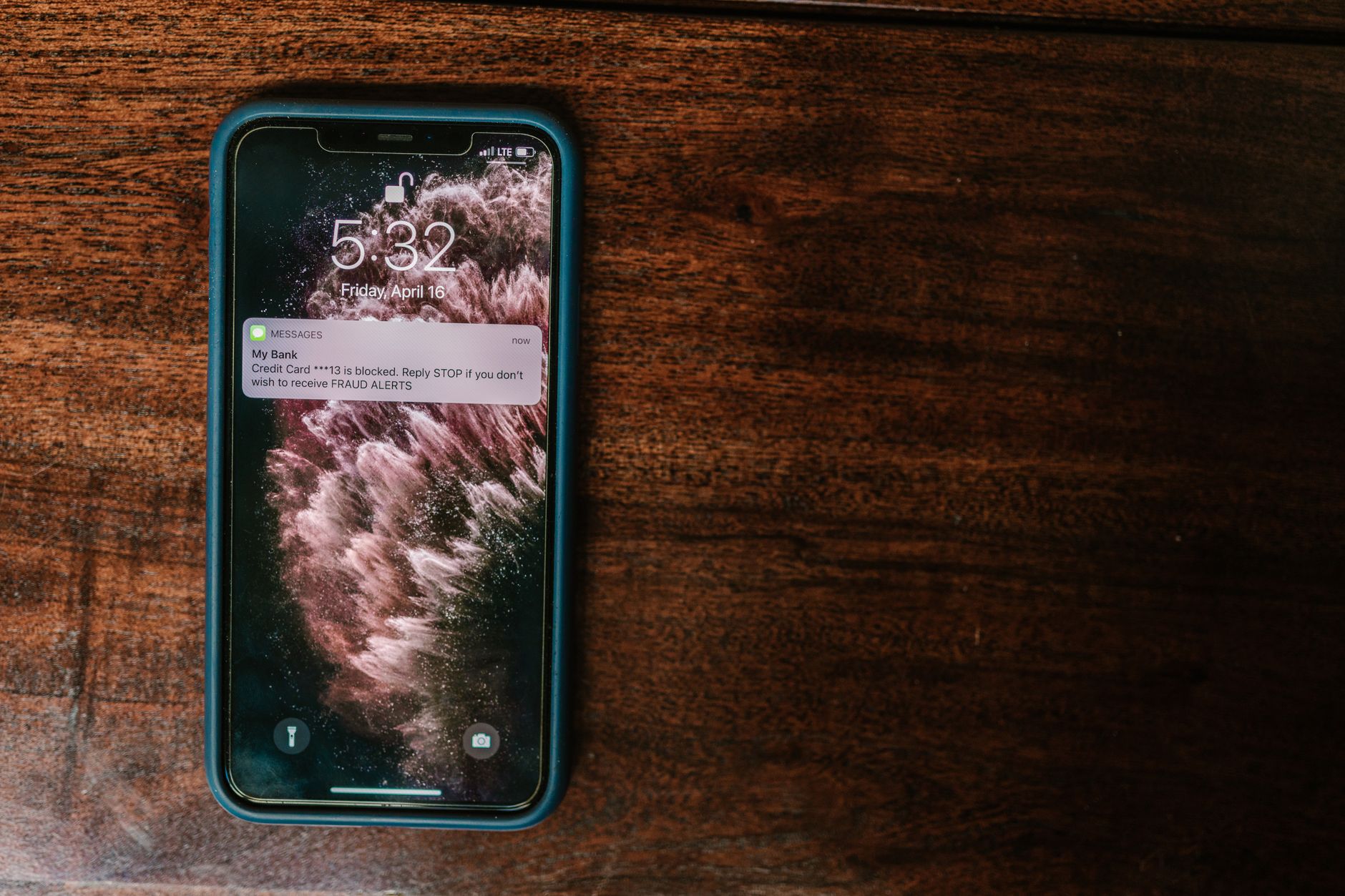
Romance scams have moved from clumsy copy-paste messages to polished, emotionally intelligent conversations. Scammers now use AI-generated love messages to sound consistent, caring, and deeply interested. The goal is the same: build trust fast and ask for money. But the tools make the fraud harder to spot and more painful to survive. A real person may be behind the account, but the words often come from a language model. Victims often blame themselves because the conversation felt so real. The emotional weight is real even when the person is not. This guide explains how these messages work and how to recover after you realize what happened.
Recovery has two tracks: emotional and financial. Both matter. You may need to report a crime, dispute a payment, freeze accounts, and rebuild trust in your own judgment. Resources like the FTC and FBI IC3 exist for this exact harm. This article walks through the mechanics of AI romance scams, red flags, reporting steps, and support options. The first step is to understand that the connection was designed to deceive you. You are not alone, and you did not ask to be manipulated.
| Tactic | What It Looks Like | Recovery Action |
|---|---|---|
| AI-generated love messages | Poetic, consistent, emotionally intense chat that feels too fast | Stop contact and save all chat logs |
| AI-generated profile photos | Too-perfect images with odd backgrounds or mismatched details | Run reverse image search and report the profile |
| Voice cloned audio notes | Short warm voice messages that avoid live calls | Request live video and do not trust voice alone |
| Crypto or investment twist | Partner directs you to a trading app or wallet | Contact the exchange and document the wallet address |
| Gift card or wire request | A crisis requires urgent payment through untraceable methods | Call your bank or gift card issuer immediately |
How Do Scam Love Messages Use AI to Manipulate Victims?

AI tools let scammers generate romantic, personalized, and grammatically perfect messages in seconds. A language model can mimic intimacy by remembering details you share and responding with emotional mirroring. This creates a false sense of closeness. Scammers feed the model basic facts about you: your job, your fears, your loneliness, and your desire for connection. The model then produces messages that feel tailored and thoughtful. The result is a conversation that seems more real than a typical scripted scam.
Some scammers use stolen photos and AI-generated images to build a fake profile. They may use voice cloning for short audio notes that sound warm and familiar. Others deploy chatbots to talk to dozens of victims at once. This automation is why messages can arrive at any hour and rarely show the errors of a hurried human. AI romance scam recovery explains how these profiles operate across dating apps and social media.
The manipulation follows a predictable script. Scammers create urgency, isolate you from friends, and test your willingness to send small gifts. Each successful request makes the next one easier. The AI-generated words do the heavy lifting. They keep the story coherent, affectionate, and responsive to your needs. OpenAI and Anthropic both publish usage policies that ban fraud and deception. Still, scammers use stolen accounts, jailbroken tools, and open source models to bypass these safeguards.
What Red Flags Reveal an AI-Generated Romance Scam?
AI-generated love messages often feel too smooth. They may avoid personal questions or answer them with generic warmth. The person may declare love within days. They may have an excuse for every request to video chat. Watch for repeated phrases, sudden topic changes, and emotional statements that do not quite match your last message. These signs do not prove AI use, but they suggest a scripted or automated interaction.
Money is the main signal. A romance scammer will eventually ask for funds. The request may be small at first: a gift card, a phone bill, or a medical fee. Later it becomes an investment opportunity, a travel emergency, or a legal problem. AI helps the scammer keep the story consistent across weeks of messages. Voice cloning can make audio notes sound real, so do not trust a voice alone. If you notice that every incident leads back to a payment, treat it as a warning. Visit how to report an AI scam to learn what evidence to save.
- The person avoids live video or always has a technical excuse.
- Messages arrive too fast, too poetic, or at all hours without normal life friction.
- They ask about your finances, salary, or crypto holdings early.
- Every crisis requires gift cards, wire transfers, or cryptocurrency.
- Reverse image searches show the photo belongs to someone else or is AI-generated.
How Much Do Scam Love Messages Cost Victims?
The financial damage is severe. The FTC reported that consumers lost about $1.3 billion to romance scams in 2022, with a median reported loss of $4,400. That figure likely undercounts the real total because many victims feel too ashamed to report. AI-driven romance scams may raise the stakes by making conversations more convincing and easier to scale.
The FBI IC3 tracks confidence and romance fraud across the United States. In recent years, reported losses from these schemes have reached hundreds of millions of dollars annually. Scammers increasingly direct victims to cryptocurrency platforms because transfers are difficult to reverse. Gift cards, wire transfers, and payment apps also appear in many cases. Each method has different recovery odds, which is why the first hours after discovery matter.
Beyond money, victims lose time, trust, and a sense of safety. Some people send intimate photos that become blackmail material. Others share banking details or let the scammer open accounts in their name. This is why identity protection belongs in any recovery plan. The AARP Fraud Watch Network offers free support and resources for people of all ages.
How Do You Report an AI Romance Scam?

Report the scam through multiple channels. Start with the app or website where you met the person. Most platforms have a report feature for fake profiles and fraud. Then file a complaint with the FTC. The FTC uses these reports to spot patterns and investigate networks. You should also file a report with the FBI IC3. That agency collects internet crime data and can coordinate with financial institutions.
Keep every message, screenshot, email, receipt, and wallet address. Do not delete the chat even if it hurts to read. Law enforcement and banks may need exact details. If you already deleted some records, check cloud backups, email notifications, and bank statements. I was scammed by AI, what to do offers a step-by-step timeline for the first 72 hours.
Contact your bank or payment app right away. Tell them the transaction was part of fraud. Ask for a recall, reversal, or account freeze. Some banks have dedicated fraud teams that move faster with a police report number. You can also report to your local police, especially if you lost a large sum or the scammer requested money for a fake emergency. Local reports may feel symbolic, but they create a paper trail.
How Can You Recover Money After an AI Love Message Scam?
Recovery depends on the payment method. Wire transfers and gift cards are hard to reverse after the scammer collects them. Payment apps and credit cards offer more chargeback options. Cryptocurrency is the most difficult because transactions are irreversible by design. However, blockchain analysis firms sometimes trace stolen funds. The sooner you document the wallet address, the better the chance of freezing funds at an exchange.
Start with your financial institution. Explain that you were a romance fraud victim and ask about fraud dispute procedures. If a bank refuses to help, you can file a complaint with the Consumer Financial Protection Bureau. Many victims recover money through payment app protections or credit card chargebacks. Do not rely on the scammer’s promise to return funds. That is another manipulation. Learn the specific steps in how to get money back after an AI scam.
Watch out for recovery scammers. After a romance scam, you may receive messages from people claiming to be hackers, recovery agents, or law enforcement. They promise to recover your money for an upfront fee. Real agencies do not charge victims for investigations. Check every new contact carefully. If the scam involved a fake crypto investment, report it to the exchange and document the wallet address immediately.
How Do You Recover Emotionally After an AI Romance Scam?

The emotional damage often lasts longer than the financial loss. You may feel ashamed, isolated, and angry at yourself. These feelings are normal after a targeted deception. The scammer used your longing for connection against you. That does not make you foolish. It makes the crime effective. You need time to grieve the relationship you believed was real.
Seek support from people who understand. Many victims find help through the AARP Fraud Watch Network or a licensed therapist who specializes in fraud trauma. Avoid explaining yourself to people who minimize the crime. You do not owe anyone a detailed story. Emotional recovery after an AI scam offers coping strategies for shame, anxiety, and sleep problems.
Rebuild your digital safety before dating again. Change passwords, enable two-factor authentication, and review credit reports. If you shared personal documents or intimate images, consider identity protection services. Best identity protection after an AI scam compares practical options. Go slowly with new online connections. Trust is rebuilt in small, verifiable steps, not in poetic messages.
Frequently Asked Questions
Can AI really write romantic messages that feel human?
Yes. Large language models can produce warm, personal, and consistent text. Scammers feed them your details to create the illusion of a real relationship.
What should I do first if I think love messages are a scam?
Stop replying and screenshot all conversations and payment details. Then freeze affected accounts and report to the platform, the FTC, and the FBI IC3.
Can I get my money back from an AI romance scam?
It depends on the payment method and how quickly you act. Credit cards, payment apps, and bank fraud teams offer the best chance. Crypto and gift cards are harder to recover.
Should I keep talking to the scammer to gather more evidence?
No. Continued contact increases manipulation risk and rarely helps recovery. Save what you have and cut ties.
How do I know if a photo is AI-generated or stolen?
Run a reverse image search and look for visual clues like mismatched jewelry, strange hands, or blurred backgrounds. Ask for a live video call and check photo metadata.
Will reporting do anything if the scammer is overseas?
Yes. Reports help agencies spot networks, warn others, and coordinate with international partners. They also support your dispute with banks.
What Should You Remember?
- Stop contact immediately after you recognize romance fraud. Block the scammer on every channel.
- Save evidence like chat logs, screenshots, wallet addresses, and payment receipts before deleting anything.
- Report fast to the platform, the FTC, and the FBI IC3. Reports create a paper trail for investigators.
- Contact your bank or payment app to dispute charges and freeze compromised accounts.
- Beware recovery scams that promise to return your money for an upfront fee. They are a second fraud.
- Prioritize emotional recovery through trusted support groups or therapy. You are not at fault.
- Secure your identity with password changes, two-factor authentication, and credit monitoring.
This article is for general information only and does not constitute legal, financial, or mental-health advice. Scam tactics evolve quickly. Always report fraud to official authorities such as the FTC, FBI IC3, and your bank, and consult a qualified professional for legal or recovery decisions.