
Crypto recovery experts promise to trace stolen coins and get your money back. Some of them can do part of that job well. Most cannot do what their advertisements claim. The gap between those two groups is where victims get hurt a second time, often by criminal networks that buy leaked victim lists and call again under a new company name. Understanding what a real investigator actually does, and what nobody can do, is what separates a useful engagement from another loss. The short version: coins that reached a major exchange can sometimes be frozen, and coins that vanished into a self-custody wallet or a mixer usually cannot.
The market for recovery services exploded after crypto fraud losses climbed into the billions. Chainalysis, a blockchain analytics firm, reported that illicit addresses received roughly 40.9 billion dollars in 2024. The FBI’s Internet Crime Complaint Center logged about 16.6 billion dollars in total reported cybercrime losses the same year, with investment fraud the costliest category. Those numbers explain the demand. They also explain why so many fake firms now target people who already lost money, because a victim with a documented loss is the easiest mark in the market.
This guide walks through how legitimate crypto recovery work happens, from blockchain tracing to civil litigation, and where the limits sit. It covers the vetting questions that expose fake agencies quickly, the fee structures real firms use, and the reporting steps that give investigators something to act on. Nothing here promises a refund. What it does is give you a clear picture of the process so you can decide whether hiring anyone makes sense for your case.
| Service Type | What They Actually Do | Typical Cost | Warning Signs |
|---|---|---|---|
| Blockchain analytics firm | Traces wallet flows and produces an attribution report | 150 to 400 dollars per analyst hour | Will not explain the limits of tracing in plain language |
| Crypto litigation attorney | Files civil claims, seeks freezing orders and subpoenas | 20 to 35 percent contingency | Cannot provide a bar number or case history |
| Forensic accountant | Reconstructs fiat and exchange flows for a court filing | Flat retainer, often 2,500 dollars and up | Demands payment only in crypto or gift cards |
| Recovery agency with guaranteed returns | Usually nothing beyond a sales script | Upfront fee of 10 percent or more | Promises a full refund and pressures you to act today |
What Does a Crypto Recovery Expert Actually Do?

Most people picture a recovery expert as someone who can reverse a blockchain transaction. That is not possible. A blockchain records transfers permanently, and no company holds a delete key. What a genuine expert does is narrower and more useful. They trace where the coins moved after the theft, map those movements to exchanges and known entities, and build a file that law enforcement or a civil attorney can act on.
The work usually runs in three stages. Tracing comes first, where an analyst follows wallet clusters across chains using commercial tools. Attribution comes second, where the analyst ties a wallet to a real person through exchange deposit records, identity checks, or off-chain evidence. Recovery comes third, and it is almost always legal rather than technical. That means a freeze request at a custodial exchange, a civil claim, or a bank dispute on the fiat side.
This is why the outcome depends so heavily on where your money went. If the thief moved funds into a large exchange account, that exchange may cooperate with a subpoena or a law enforcement request. If the funds went straight into a self-custody wallet, a mixer, or a chain-hopping bridge, the trail often dead-ends. A straight-talking expert will tell you which category your case falls into before you pay anything. For a wider view of the refund routes available to scam victims, see our guide on how to get money back after an AI scam.
Investment fraud cases follow a similar arc. Our breakdown of AI investment scam recovery explains how fake trading platforms create the illusion of profit while quietly routing deposits into private wallets. The recovery analyst starts by locating those deposit addresses.
How Can You Tell a Real Recovery Firm From a Second Scam?
The follow-up scam is the most common trap. Someone who already lost money gets a message from a firm claiming it located their stolen funds and needs a small release fee. The Federal Trade Commission warns that no legitimate company can promise to recover money lost to a scam, and consumer complaints about recovery fraud have climbed sharply. FTC data shows consumers reported losing more than 1.4 billion dollars to cryptocurrency scams in a single recent year.
The vetting questions that separate the two groups are boring and effective. Ask for the firm’s legal name, business registration number, and the states where it operates. Ask whether they employ a licensed private investigator or attorney, and get that person’s license number. Ask for a written engagement letter with a scope of work and a fee schedule. A real firm answers all four without hesitation.
Warning signs pile up fast once you know where to look. A guaranteed recovery is the loudest one, because no honest analyst can promise an outcome. Upfront payment in crypto, gift cards, or a wire to a personal account is another. Pressure to sign within hours, contact only through WhatsApp or Telegram, and a refusal to put anything in writing round out the list.
If you have already paid a fake recovery firm, treat it as a fresh fraud and report it. Our walkthrough on how to report an AI scam explains where to file and what evidence to preserve.
- No business registration number or physical address anywhere on the site
- Payment demanded in cryptocurrency, gift cards, or a wire to an individual
- A guarantee of full recovery or a specific dollar amount returned
- Unsolicited contact after you filed a police report or posted in a victim forum
- No written contract, no license numbers, and no named staff
What Can Blockchain Tracing Really Recover?
Tracing is the strongest tool in the toolkit, and its limits are well documented. Chainalysis and similar firms maintain databases that tag wallets linked to exchanges, mixers, sanctioned entities, and known criminal groups. An analyst runs your transaction hashes through those databases and produces a flow chart showing where funds stopped.
The chain itself is public, which cuts both ways. Anyone can follow a transaction, so the trail rarely disappears completely. But attribution is private. Unless coins land at an exchange that performs identity verification, you may know exactly which wallet holds your funds and still have no idea who controls it. That is the wall most cases hit, and it is the reason recovery rates stay low across the industry.
Chainalysis reported roughly 40.9 billion dollars in illicit crypto inflows during 2024 and noted that stablecoins now dominate illicit transaction volume. Stablecoins matter for victims because issuers can freeze tokens when law enforcement asks. That makes USDT and USDC thefts more recoverable than bitcoin thefts, provided the funds have not been swapped or spread across multiple wallets.
A practical rule: the recoverable window narrows by the hour. Coins sitting in a stablecoin wallet tied to a verified exchange account are the best case. Coins passed through a mixer, bridged to another chain, or converted to a privacy coin are effectively gone. Any firm that tells you otherwise is selling hope, not analysis.
What Should You Do in the First 72 Hours After a Crypto Scam?
Speed matters more than anything else in the first three days. A freeze request that reaches an exchange while funds still sit in a deposit wallet has a real chance. The same request a month later usually does not. Our guide on what to do if you were scammed by AI covers the full checklist, and the crypto-specific steps below should run in parallel.
Documentation is what turns a story into a case. Investigators work from hashes and receipts, not from memory. Save everything to a cloud folder and keep a second copy on a drive you control. If your email, phone number, or identity documents were exposed, our piece on identity protection after an AI scam explains how to lock down accounts before the next attack.
Emotional fallout is real, and it interferes with clear thinking at exactly the moment you need it most. Our guide to emotional recovery after an AI scam covers the practical side of that, including how to stop the shame spiral that keeps victims silent.
Once the immediate steps are done, decide whether your case justifies professional help. A loss in the hundreds of dollars rarely does. A loss in the tens of thousands with a traceable stablecoin trail often does.
- Write down every wallet address, transaction hash, and timestamp while the details are fresh
- Screenshot the scam platform, chat logs, emails, and any payment confirmations
- Call your bank or card issuer if any fiat money moved, and request a fraud hold
- Report the theft to the exchange where you originally bought the crypto
- File a complaint with the FBI’s Internet Crime Complaint Center and your state attorney general
- Freeze your credit and change passwords on every account tied to the same email address
What Do Crypto Recovery Services Cost?
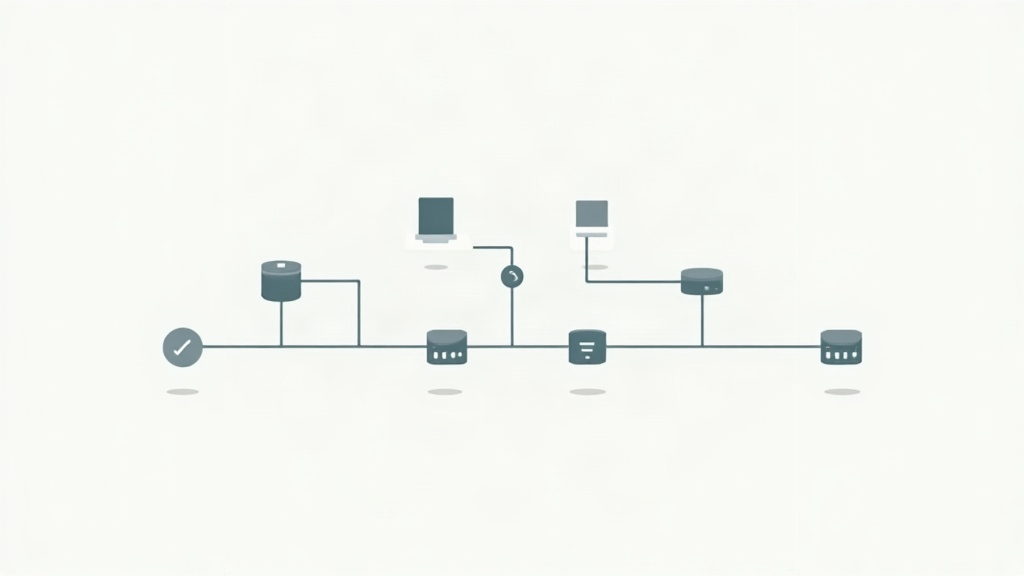
Fees vary by who does the work. Blockchain analytics firms bill hourly, typically 150 to 400 dollars per analyst hour, and deliver a report rather than a recovery. Litigation attorneys usually work on contingency, taking 20 to 35 percent of whatever is recovered, sometimes with a retainer on top. Forensic accountants charge a flat project fee that often starts near 2,500 dollars.
The pricing structure itself is a vetting tool. Legitimate providers charge for labor and expertise, not for the outcome they promise. A firm asking for 10 percent of your loss upfront, before any work begins, has inverted the model. Real investigators get paid for hours worked or for results delivered.
There is also the question of whether hiring anyone makes sense. If your loss was under a few thousand dollars and the funds moved to a self-custody wallet, the cost of an investigation may exceed any realistic recovery. A good firm will say so in the first call. A bad one will take the case anyway and bill you for a report you cannot use.
Budget for the possibility that the answer is no. An honest analyst who tells you the trail is cold has still done you a service, because that answer stops you from spending another five thousand dollars chasing nothing.
How Do You Report a Crypto Scam So Investigators Can Act?
Reporting is not just paperwork. It creates the record that lets an exchange freeze an account, lets a prosecutor build a case, and lets regulators see the pattern. The FBI’s Internet Crime Complaint Center is the primary federal intake point for crypto fraud in the United States. Complaints filed there feed into broader investigations even when no single case results in charges.
The FTC’s ReportFraud portal handles consumer fraud complaints and shares data with hundreds of law enforcement partners. File with both. Add your state attorney general and your local police department, because local reports sometimes trigger the subpoenas that exchanges actually respond to.
Include specifics. Wallet addresses, transaction hashes, dates, platform names, the handles used by the people who contacted you, and the total amount lost. Vague complaints get filed and forgotten. Detailed ones get matched to other cases involving the same wallets, and that matching is what turns a lone complaint into an investigation.
Set realistic expectations about timing. Crypto investigations run for months or years, and most victims never recover the full amount. Cases that do succeed usually involve frozen stablecoins or a civil suit against an exchange or bank that failed a duty it owed you.
Frequently Asked Questions
Can crypto recovery experts actually get my money back?
Sometimes, but rarely through technical wizardry. Funds still sitting in a stablecoin wallet tied to a verified exchange account can sometimes be frozen. Funds that passed through a mixer, a bridge, or a self-custody wallet are usually gone for good.
How do I know if a crypto recovery company is legitimate?
Ask for a business registration number, the license number of any attorney or private investigator on staff, and a written engagement letter. Legitimate firms provide all three. They also refuse to guarantee a specific recovery amount.
Do I need a lawyer or a blockchain analyst first?
Start with a blockchain analyst if you still need to know where the funds went. Hire an attorney once you have a wallet address tied to a real person or exchange. Many attorneys bring in analysts on their own, which can save you a separate engagement.
What percentage do crypto recovery firms charge?
Litigation attorneys commonly take 20 to 35 percent of whatever is recovered. Analytics firms bill hourly at roughly 150 to 400 dollars per analyst hour and deliver a report rather than a refund. Any firm asking for a large upfront percentage of your loss is a red flag.
Does it matter if the scammer took USDT or USDC instead of bitcoin?
Yes, and it helps you. Stablecoin issuers can freeze tokens when law enforcement or a court asks them to. Bitcoin and Monero offer no equivalent freeze mechanism, so stablecoin thefts tend to have better recovery odds when the funds have not been swapped or moved.
Is it worth hiring a recovery firm for a small loss?
Usually not. If your loss was under a few thousand dollars and the coins moved into a private wallet, investigation costs can exceed any realistic recovery. A trustworthy firm will tell you that up front instead of taking the case anyway.
What Should You Remember?
- No one can reverse a blockchain transaction. Recovery work is tracing, attribution, and legal action, not hacking funds back.
- Demand written proof of legitimacy. Ask for a registration number, license details for any attorney or investigator, and a signed engagement letter.
- Treat guaranteed refunds as fraud. The FTC states that no legitimate company can promise to recover money lost to a scam.
- Move fast on stablecoins. USDT and USDC can be frozen by issuers when law enforcement requests it, but the window closes quickly.
- Report to IC3 and the FTC. Detailed complaints with wallet addresses and transaction hashes get matched to other cases involving the same wallets.
- Walk away from upfront crypto fees. Real investigators bill for hours worked or take a contingency on results, never a fee before work starts.
This article is for general information only and does not constitute legal, financial, or mental-health advice. Scam tactics evolve quickly. Always report fraud to official authorities such as the FTC, FBI IC3, and your bank, and consult a qualified professional for legal or recovery decisions.